
Non-Toxic Kid’s Sippy Cups

*This post contains affiliate links. I may earn a small commission at no extra cost to you.*
If you're trying to reduce your baby's chemical exposure, sippy cups are one of the most important swaps you can make. Babies drink from these cups dozens of times a day — which means whatever the cup is made from matters enormously. Most conventional sippy cups are made with BPA, phthalates, and PVC. The good news? There are beautiful, safe alternatives that are better for your baby's development too.
I've researched every option on the market and narrowed it down to the six non-toxic sippy cups I actually use and recommend — organized by age so you can find exactly what you need.
| Product | Material | Age | Why It's Safe | Buy |
|---|---|---|---|---|
| Legendairy Milk Honey Bear Cup | Silicone | 4–12 mo | USA-made, liquid never touches plastic | Shop |
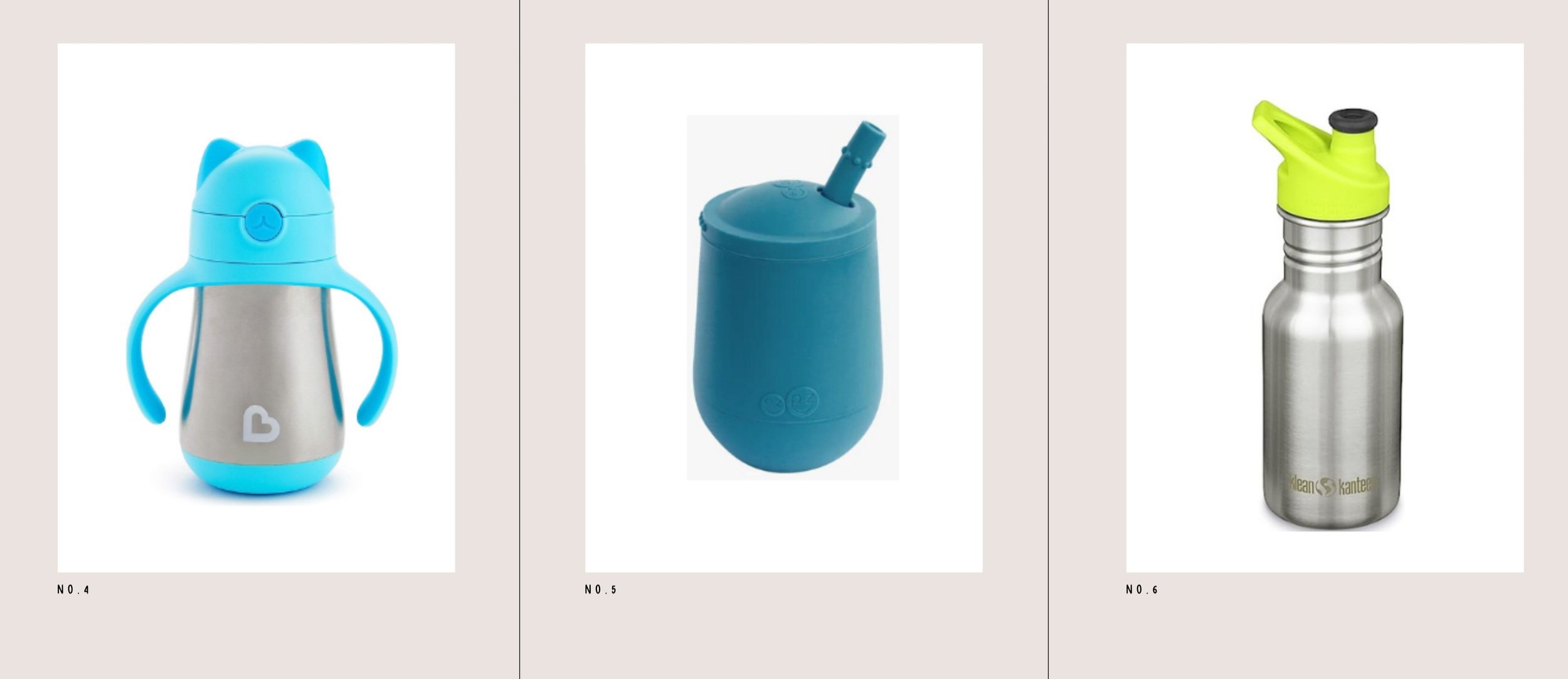
| EZPZ Mini Cup + Straw | Silicone | 4–12 mo | SLP-designed, BPA-free | Shop |
| Mushie Silicone Cup | Silicone | 12+ mo | Food-grade, spill-proof | Shop |
| Green Sprouts Sip & Straw | Glass | 12+ mo | Glass with protective sleeve | Shop |
| Munchkin Cool Cat ⭐ Heidi's Fave | Stainless steel | 1–3 yr | No BPA, no plastic liner | Shop |
| Klean Kanteen Kids | Stainless steel | 2+ yr | Vacuum-insulated, toxin-free | Shop |
Why Non-Toxic Sippy Cups Matter
Conventional plastic sippy cups can leach hormone-disrupting chemicals directly into your baby's drink. The most common offenders:
BPA (Bisphenol A) — found in hard clear plastics, mimics estrogen in the body and disrupts hormonal development. Even "BPA-free" plastics can contain BPS and BPF, which carry similar risks.
Phthalates — used to soften plastic, linked to hormone disruption and reproductive issues. Commonly found in soft plastic spouts and valves.
PVC — used in some spouts and straws, can contain lead and phthalates.
The safest materials for non-toxic sippy cups: food-grade silicone, glass, and stainless steel. These are the only materials I recommend and the only ones on this list.
Best Non-Toxic Sippy Cups for Babies (4–12 Months) — Silicone & Glass
At this stage babies are just learning to drink independently. You need cups that are safe to mouth, easy to grip, and designed to support development — not just contain liquid.
Legendairy Milk Honey Bear Straw Cup
This is the cup that taught my son how to use a straw — and we still use it every single day. I love that it's BPA-free, phthalate-free, and made from food-grade silicone, but honestly what sold me is that it doesn't spill. The liquid never touches plastic, it's designed in the USA specifically for babies learning to drink independently, and the translucent body means you can actually see that they're getting liquid. If you're looking for a first cup that's non-toxic and actually works, start here. Shop the Legendairy Milk Honey Bear Cup here.
EZPZ Mini Cup + Straw Training System
If the Legendairy Milk cup is how they learn the straw, the EZPZ is how they learn to drink from a cup. It was developed with speech-language pathologists to support the oral motor development babies need for both drinking and speech — the weighted base means it doesn't tip, and the whole thing is food-grade silicone, completely BPA and phthalate free. One of those products where the science behind it is just as good as the design. Shop the EZPZ Mini Cup here.
Best Non-Toxic Sippy Cups for 12+ Months — Silicone & Glass
By 12 months babies are more coordinated and ready for more independence. These cups support that transition while keeping chemical exposure at zero.
A chic, chemical-free food-grade silicone sippy cup with easy-grip handles and a spill-proof design. Zero BPA, zero phthalates, zero toxins — and nearly indestructible, which parents of one-year-olds will appreciate. One of the most beautiful non-toxic sippy cups on the market. Shop the Mushie Silicone Cup here.
Green Sprouts Sprout Ware Sip & Straw
A non-toxic glass sippy cup with a protective outer sleeve and removable straw — the perfect first glass cup for babies transitioning away from plastic. If you've been nervous about making the switch to glass or stainless steel, this is your entry point. The outer sleeve protects against drops and the glass interior means zero chemical leaching into your baby's drink. Shop the Green Sprouts Sip & Straw here.
Best Non-Toxic Toddler Cups (1–3 Years) — Stainless Steel
Stainless steel is the gold standard for toddlers — durable enough to survive being thrown across the room, and completely free from the chemicals found in plastic.
Munchkin Cool Cat Stainless Steel Straw Cup ⭐ Heidi's Fave
A non-toxic stainless steel straw cup that toddlers genuinely get excited about. The flip-top lid is easy for little hands, the cat design is a perennial bestseller, and it's completely free from BPA, phthalates, and plastic liners. My nieces and nephews are obsessed with this one — and I love that it's actually safe. Shop the Munchkin Cool Cat here.
Klean Kanteen Classic Kids Water Bottle
A vacuum-insulated, non-toxic stainless steel water bottle that keeps drinks cold for hours and grows with your child well past the toddler years. Klean Kanteen is one of the most trusted names in clean drinkware — this is the cup that goes everywhere. Shop the Klean Kanteen Kids bottle here.
What to Look for on Every Sippy Cup Label
Before buying any cup for your baby, check for:
BPA-free AND phthalate-free — both, not just one
Food-grade silicone, glass, or stainless steel — avoid PVC and standard plastics
No plastic valves or spouts — the spout is often where the chemicals hide
USA, EU, or Canada made — stricter safety standards than other manufacturing regions
FAQ
Are silicone sippy cups really safe?
Food-grade silicone is one of the safest materials available for baby products. It's free from BPA, phthalates, PVC, and other harmful chemicals, easy to clean, and extremely durable. Always look for "food-grade" specifically — lower grades may contain fillers.
What age should babies start using a sippy cup?
Most babies are ready to start exploring a cup around 4–6 months with support, and transition to independent cup drinking between 6–12 months. Starting with a straw cup like the Legendairy Milk Honey Bear or EZPZ Mini Cup actually supports better oral motor development than a traditional sippy spout.
Is glass really safe for babies?
Yes — with a protective sleeve like the one on the Green Sprouts cup. Glass means zero chemical leaching, which makes it one of the safest materials for baby drinkware. The outer sleeve protects against drops.
Are stainless steel cups safe?
High-quality stainless steel like Klean Kanteen and Munchkin Cool Cat is completely non-toxic and one of the most durable options available. Look for cups with no plastic liners inside — the interior should be bare stainless steel.
When should I transition away from a sippy cup entirely?
Most pediatric experts recommend transitioning to an open cup or straw cup by 18–24 months. The EZPZ Mini Cup and Legendairy Milk Honey Bear on this list are specifically designed to support this transition from the start.
What's the single most important swap I can make?
If you're only making one change, ditch the plastic and switch to food-grade silicone, glass, or stainless steel. Any cup on this list is a massive upgrade from a conventional plastic sippy cup. Browse all my non-toxic sippy cup picks here.