
Modern Organic Bedroom Design (Non-Toxic!)
This post contains affiliate links. I may earn a small commission at no extra cost to you.
Hi guys! So thrilled to have you here. 🌿 As you might know by now, my background before entering the holistic health world was in the interior and textile design industry — and my passion for design runs deep. So when I say this latest trend has my name all over it, I mean it.
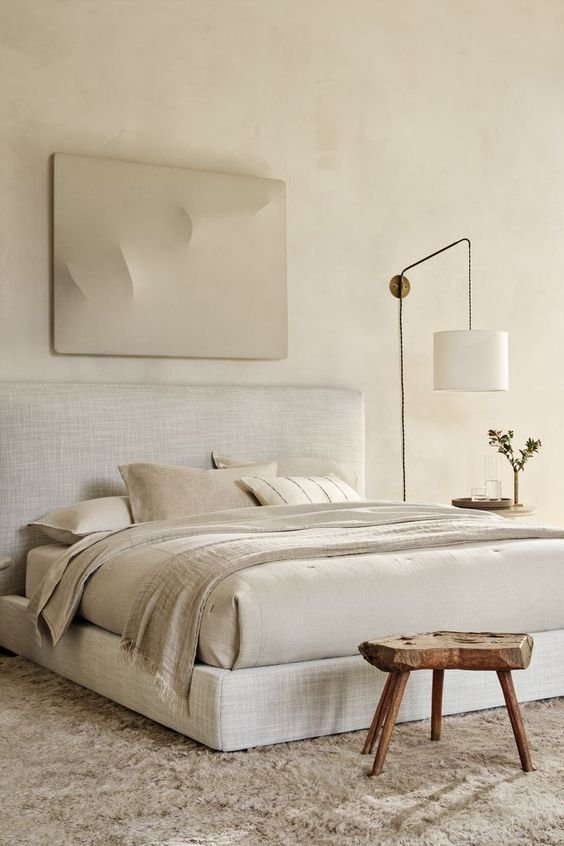
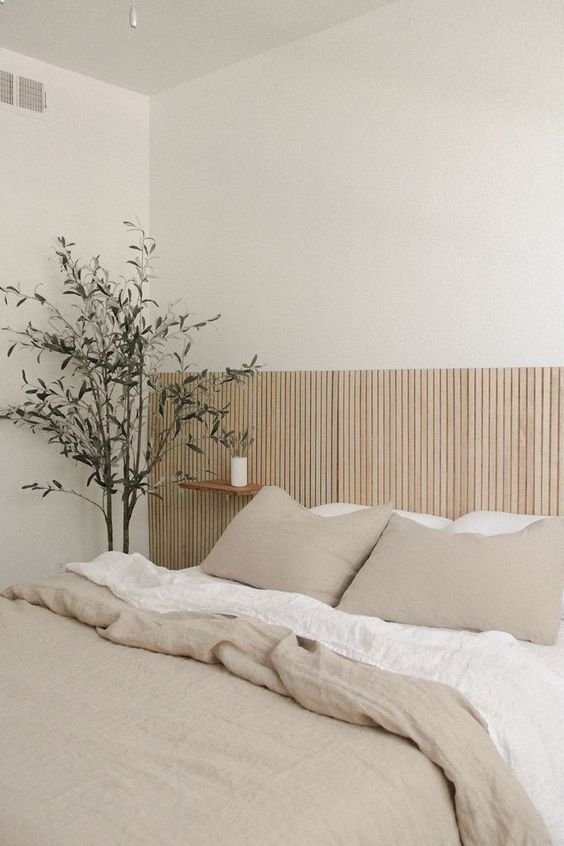
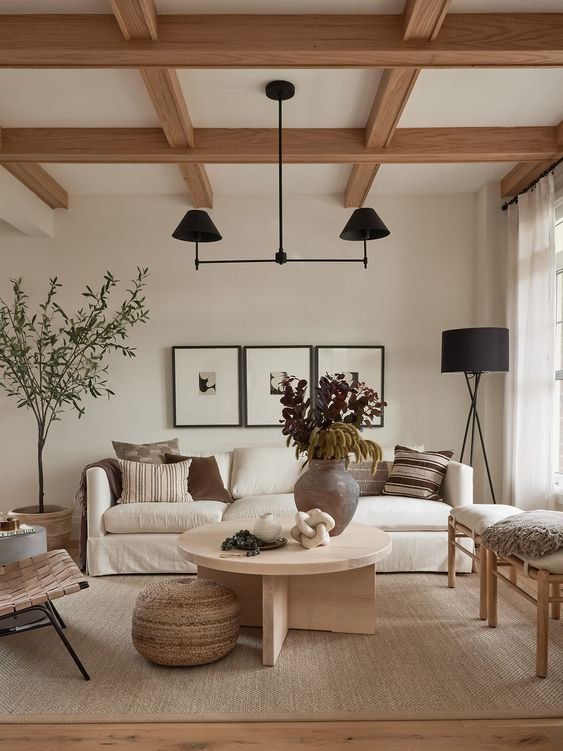
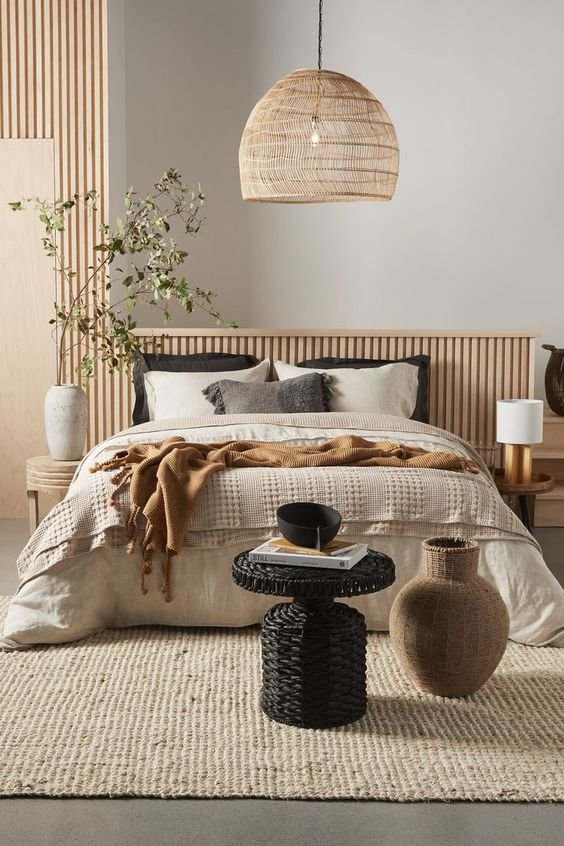
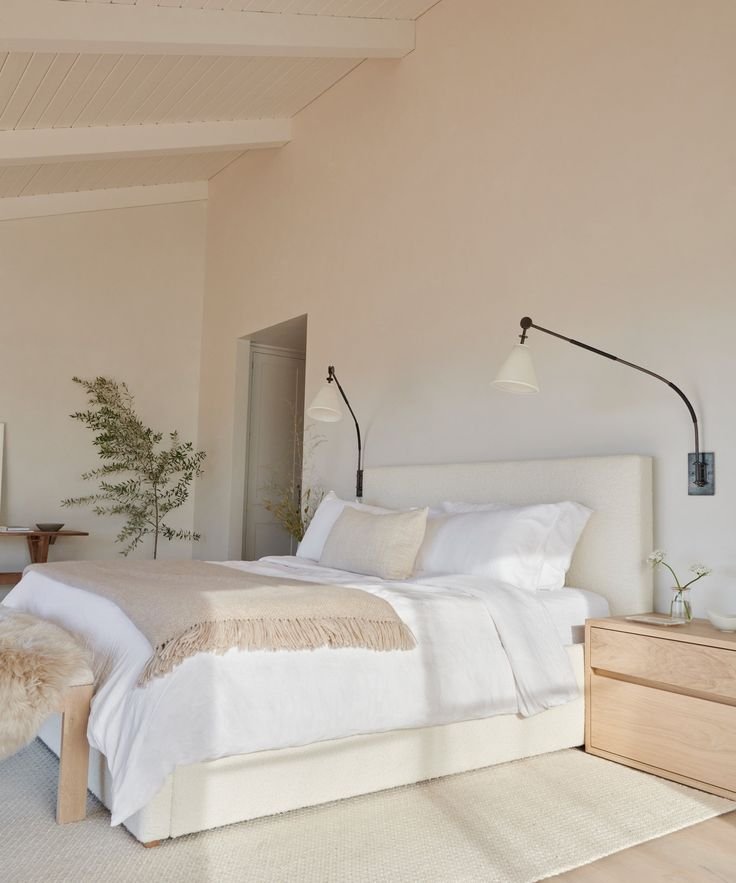
It's called modern organic. And it is an embodiment of everything I believe in. The modern organic interior design movement is all about combining natural elements with contemporary design to create a harmonious, inviting living space. It embraces the beauty of nature — from an earthy color palette to the use of organic materials — to bring a sense of calm and tranquility into the home.
What I love most is that modern organic isn't just beautiful. When done right, it's also non-toxic. And that's the angle we're going to take today.
For every category below I'm sharing my top pick — the one I'd put in my own home — plus a budget alternative, because a non-toxic bedroom is for everyone and this journey looks different for all of us. Start where you can. Every single swap matters.
Why the Bedroom Is the Most Important Room to Detox First
We spend roughly a third of our lives in our bedroom — and while we sleep, our bodies are in full repair and detox mode. The last thing you want during that process is to be breathing in off-gassing from a synthetic mattress or chemical-treated bedding.
Here's what's hiding in a conventional bedroom that most people don't think about:
Conventional mattresses are often loaded with polyurethane foam, chemical flame retardants, and synthetic materials that off-gas while you sleep — and you're breathing this in for 7–9 hours every single night. Particleboard and MDF furniture are made with formaldehyde-based adhesives that off-gas into your room air over time. Synthetic bedding — polyester and microfiber — is petroleum-based, and most conventional cotton is treated with pesticides and chemical finishes. Synthetic rugs are often treated with stain-resistant coatings and flame retardants. And synthetic fragrance — in laundry products, dryer sheets, and fabric sprays — is one of the most overlooked sources of indoor air pollution. None of it belongs in a bedroom.
The good news? You don't need to replace everything at once. Start with what touches your body most — your mattress, your sheets, your pillow. Then work outward from there.
What Makes a Bedroom "Modern Organic"?
Before we get into the product picks, here's what actually defines this aesthetic — because understanding the style makes it so much easier to shop intentionally.
Earthy color scheme. Modern organic design uses warm browns, sage greens, creams, and beiges. These colors create a calming, grounding environment that signals to your nervous system that it's safe to rest.
Natural materials. Wood, stone, and natural fibers like wool, cotton, and linen bring a sense of the outdoors in — and have the bonus of being far less chemically complex than synthetic alternatives.
Biophilic design. Incorporating elements of nature into your built environment — indoor plants, natural light, organic textures — has real science behind it. Studies show biophilic design reduces stress, lowers cortisol, and improves sleep quality. Trendy AND actually good for you. Very much my brand. 😄
Simple and clean lines. Uncluttered, minimal ornamentation. This creates spaciousness and lets the natural materials do the talking.
Sustainable design. Reclaimed wood, ethically sourced textiles, non-toxic finishes. Modern organic and non-toxic living are natural partners.
The Full Non-Toxic Bedroom Guide
Mattress
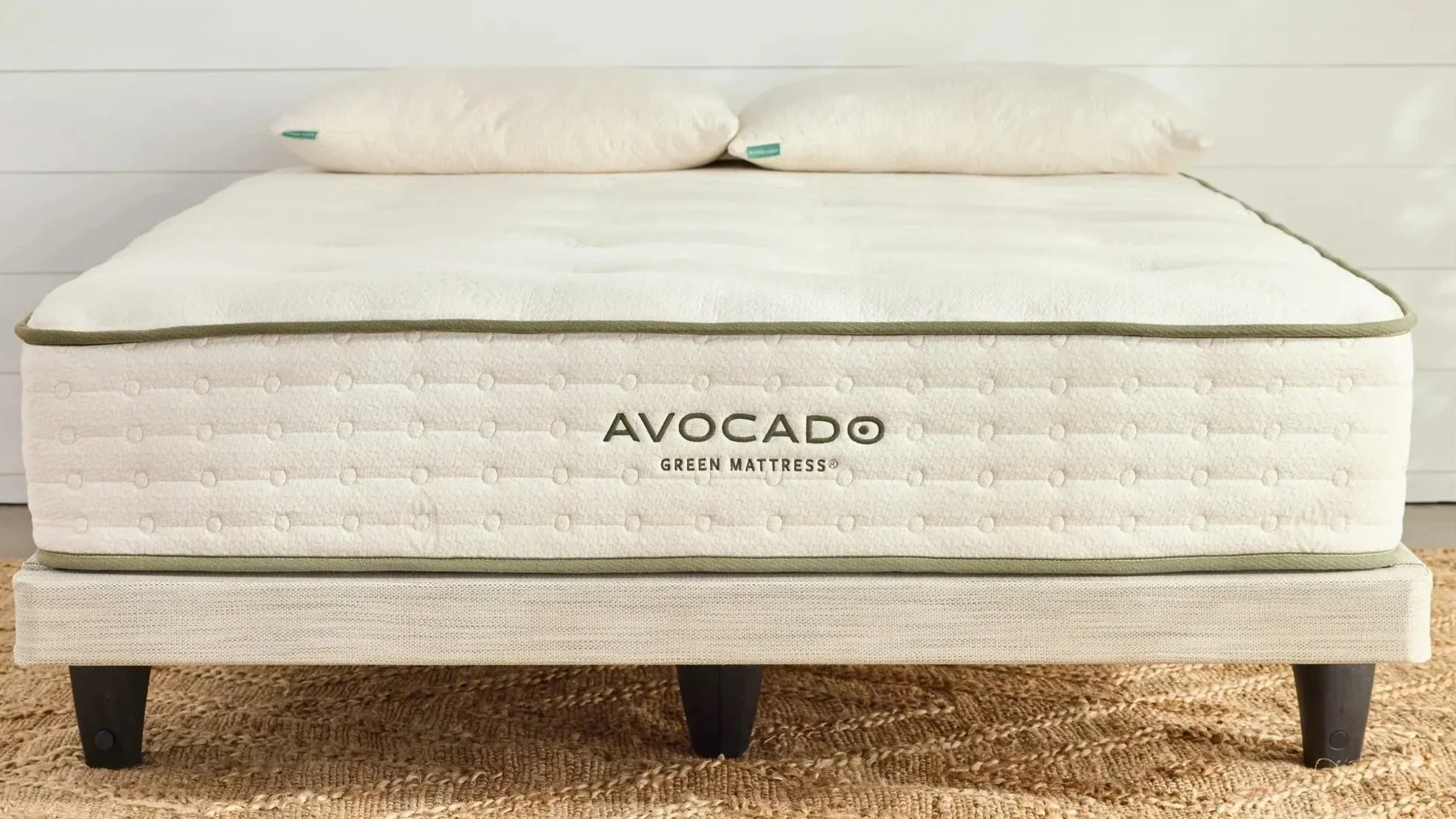
Your mattress is ground zero for a non-toxic bedroom. You breathe in whatever it's off-gassing for seven to nine hours every single night. This is the one category I'd always prioritize if you can — it's where you'll feel the difference most.
Top Pick: Avocado Green Mattress ❤ Heidi's Pick
I actually sleep on this mattress — and it is worth every penny. Natural latex, GOTS-certified organic wool and cotton, zero off-gassing, and GREENGUARD Gold certified. Switching to a non-toxic mattress is one of the highest-impact health swaps you can make, full stop.
Budget Alternative: Naturepedic Organic Latex Mattress Topper
If a full organic mattress isn't in the budget right now, this topper is the smartest bridge. Naturepedic is one of the most trusted non-toxic sleep brands available — GOTS and GOLS certified, completely free from synthetic latex, adhesives, and flame retardant chemicals. It adds a genuine non-toxic layer between you and your existing mattress and makes a real, meaningful difference overnight.
Bedding
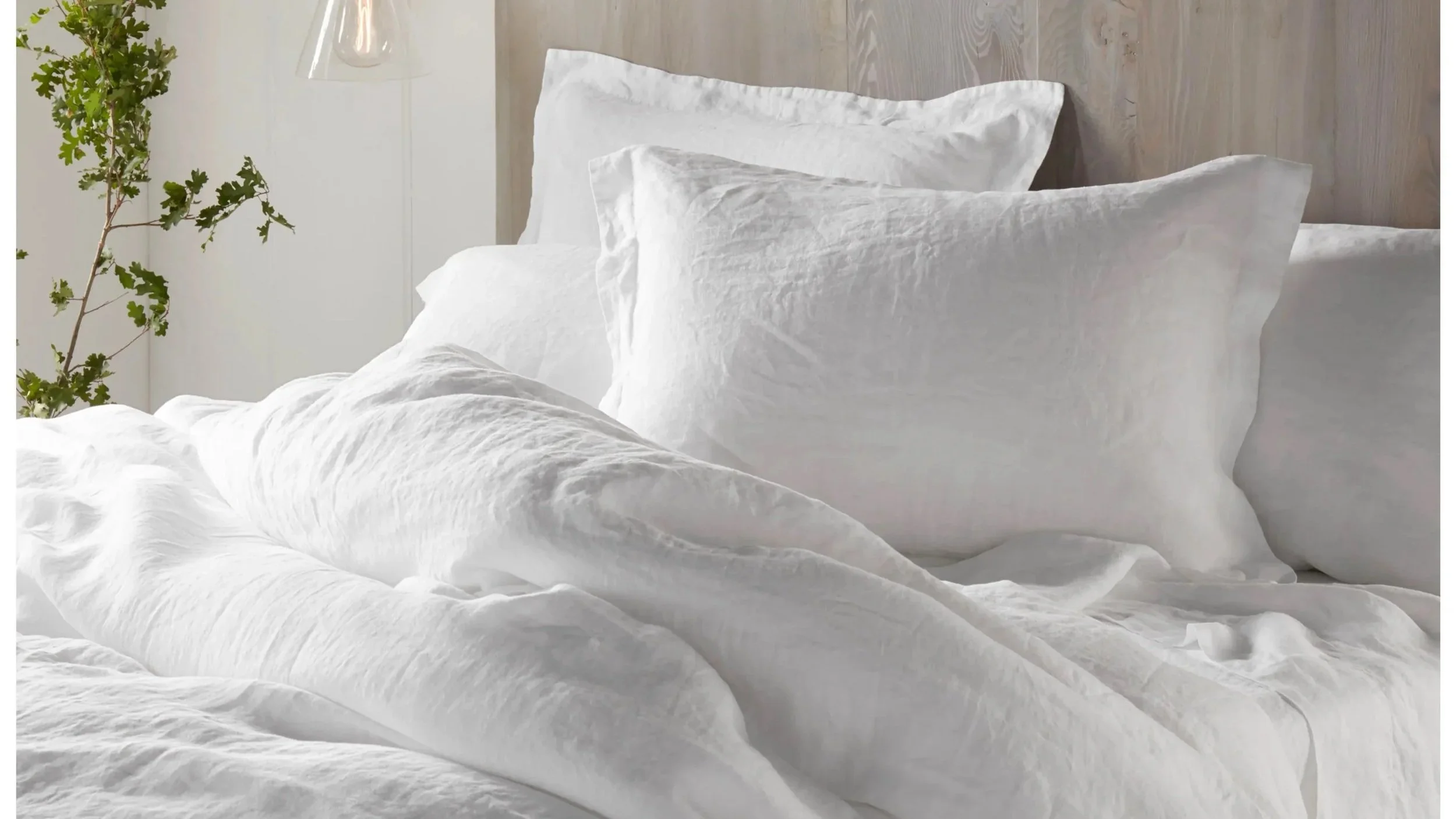
Conventional bedding is typically made from synthetic fabrics or non-organic cotton treated with pesticides and chemical finishes. GOTS-certified organic linen or cotton is what you're looking for — and it makes a difference you can actually feel.
Top Pick:Coyuchi Organic Relaxed Linen Duvet Cover
Coyuchi is where non-toxic and luxury genuinely intersect. This linen duvet cover is GOTS certified, made from organic flax linen, and gets softer with every wash. The exact vibe of modern organic done right — effortlessly beautiful, completely chemical-free.
Budget Alternative: Company Store Organic Cotton Percale Pillowcases
Your face is pressed against your pillow for 7–9 hours every night — swapping your pillowcases is the single most accessible entry point into non-toxic bedding. The Company Store's organic cotton percale is GOTS certified, beautifully soft, and the first swap I recommend to anyone just starting out.
Air Quality
Most people think carefully about what they put on their bed and never once think about what they're breathing. In a closed bedroom overnight, air quality is everything — especially for anyone dealing with mold exposure, allergies, or a high toxic burden.
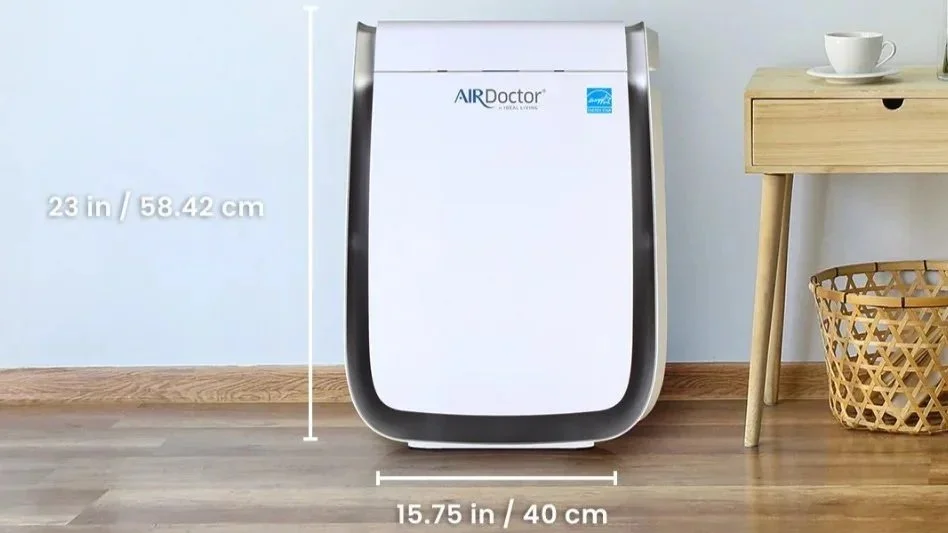
Top Pick: AirDoctor 3500 Air Purifier ❤ Heidi's Pick
A medical-grade UltraHEPA air purifier that captures particles 100x smaller than standard HEPA filters — including mold spores, VOCs, and off-gassing from furniture and finishes. This is the one I trust and use personally. A quality air purifier in the bedroom is non-negotiable for anyone serious about their sleep environment.
Budget Alternative: Honeywell Air Purifier
A solid true HEPA air purifier at a fraction of the price. A meaningful upgrade over no filtration at all and a great place to start if you're working your way toward the full investment. Honeywell is a trusted name in air filtration and this is a reliable, effective entry point.

Nightstand
Most conventional furniture is MDF or particleboard — pressed wood bound with formaldehyde-based adhesives that off-gas into your air for years. Solid wood is always the goal.
Top Pick: Maiden Home Clinton Petite 1-Drawer Nightstand
Modern organic is all about clean lines and natural materials and this solid wood nightstand is the perfect example. Maiden Home is completely transparent about every material they use, built-to-order in the US, and genuinely stunning. An investment piece that will never go out of style.
Budget Alternative: Plank+Beam Nightstand
Plank+Beam is one of the few budget-friendly furniture brands that actually commits to solid wood construction — no MDF, no particleboard. Clean design, non-toxic materials, and a price point that makes solid wood accessible. A genuine win in this category.
Dresser
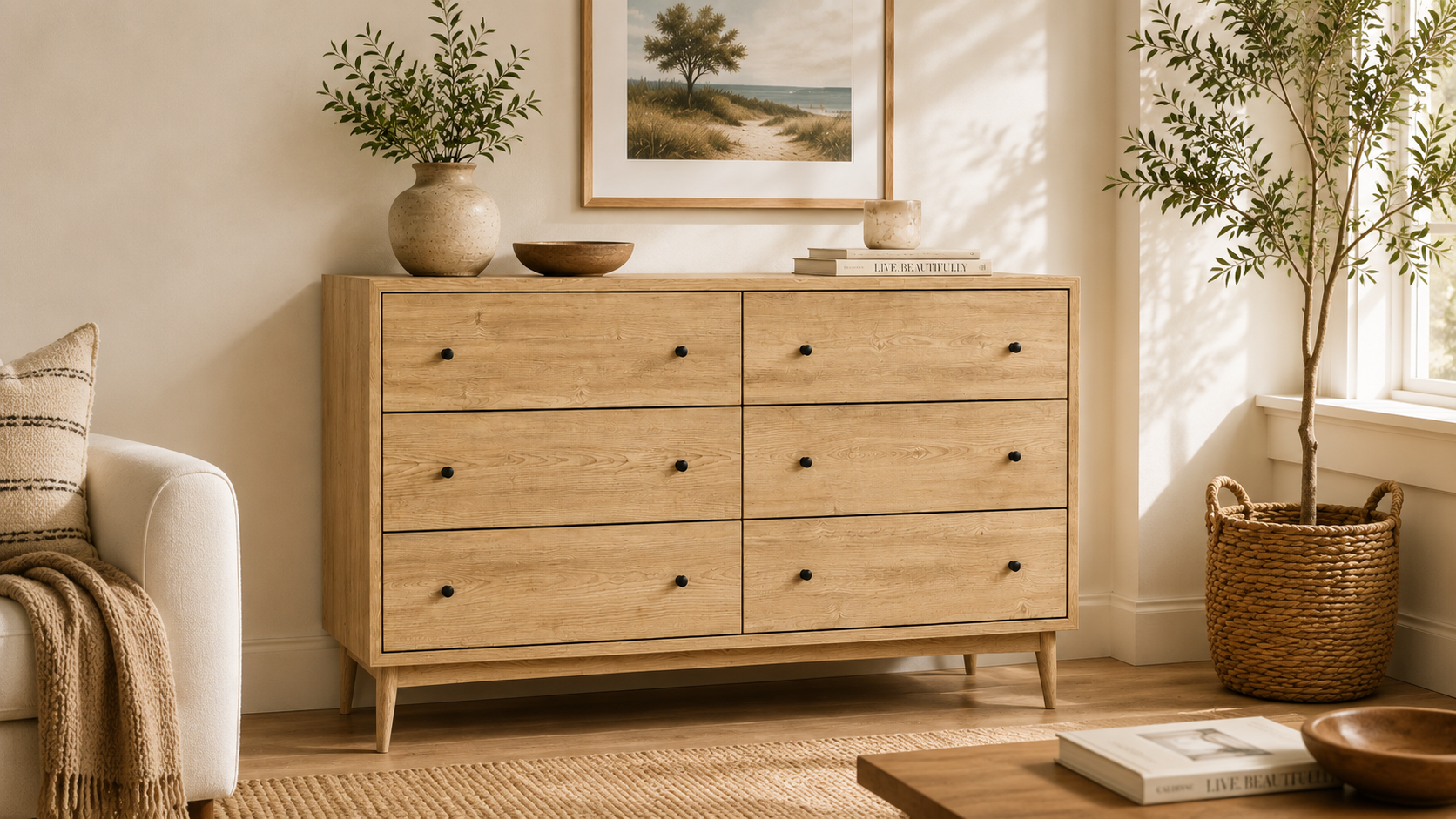
Top Pick: Medley Atten 6-Drawer Tall Dresser
Medley is one of the best non-toxic furniture brands I've found. Every piece is solid, sustainably sourced wood with non-toxic finishes — no MDF, no particleboard, no formaldehyde-based adhesives. Beautiful, thoughtful, and built to last a lifetime.
Budget Alternative: Plank+Beam Marelle Dresser
Same brand as the nightstand alternative — solid wood, clean construction, no toxic materials. Having a matched set of nightstand and dresser from Plank+Beam is a completely non-toxic and genuinely beautiful bedroom setup at a price that works for most budgets.
Accent Chair
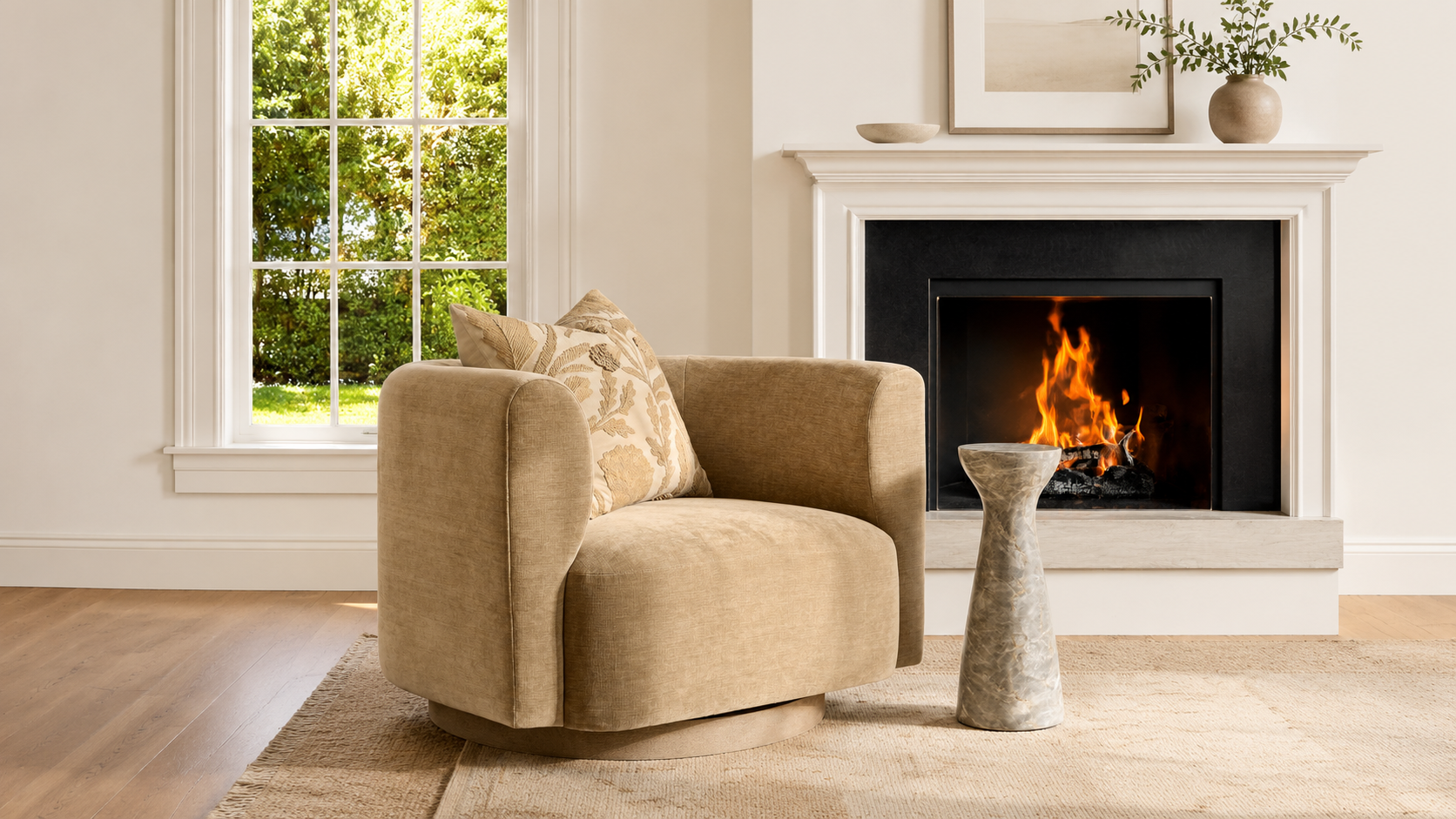
Top Pick: Pottery Barn Greenguard Gold Swivel Chair
I love anything Pottery Barn and especially am a fan of their Greenguard Gold certified furniture. How gorgeous!
Budget Alternative: Quince Velvet Swivel Chair
Quince is one of the most underrated accessible non-toxic home brands — they prioritize material transparency and clean manufacturing in a way most budget furniture brands don't. This velvet swivel chair is beautiful, functional, and a genuinely non-toxic pick at a very approachable price point.
Decor — Vase
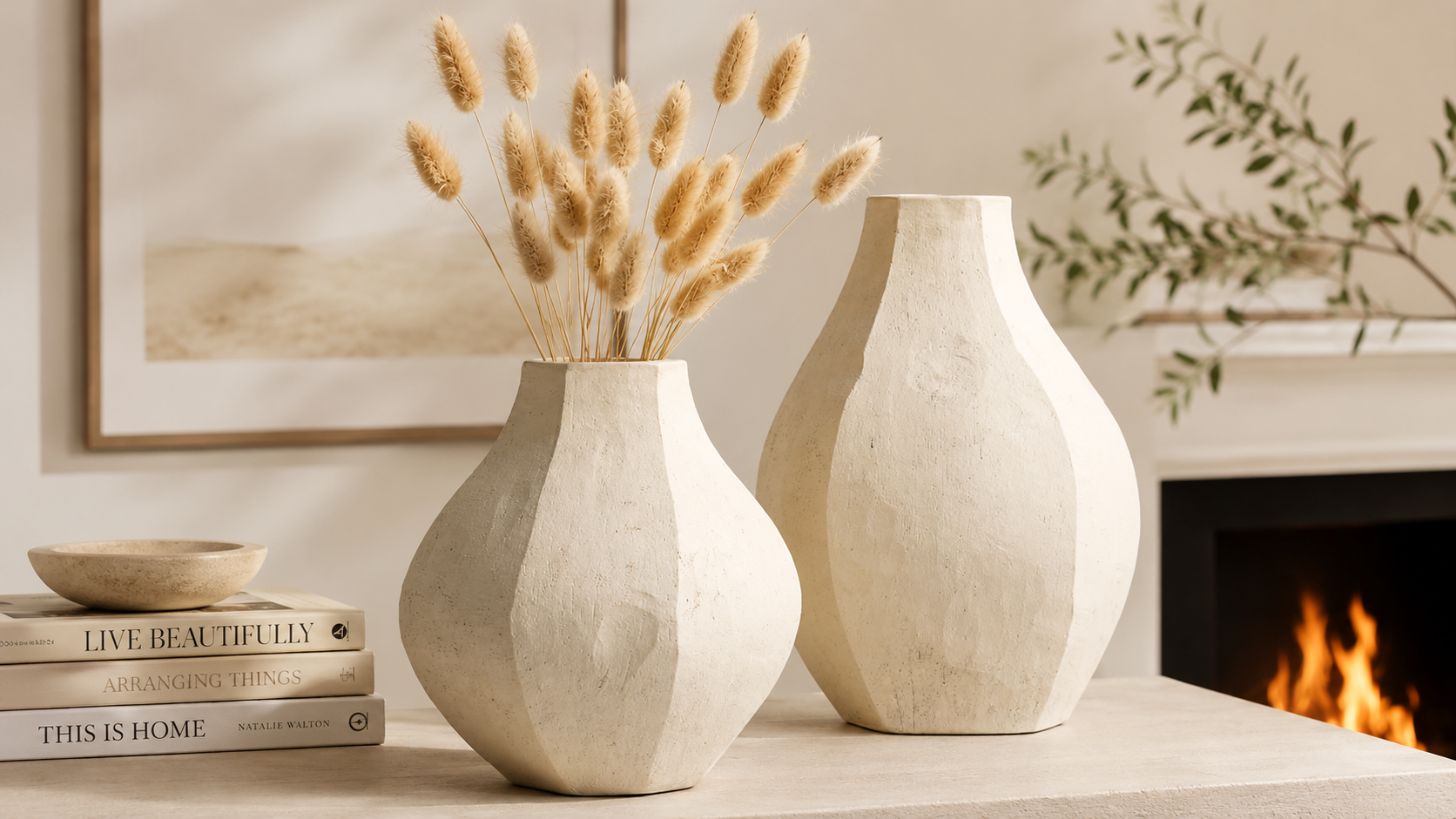
Top Pick: Crate & Barrel Facette White Vase by Athena Calderone
Glass and ceramic are inherently non-toxic materials — no off-gassing, no coatings, no concerns. This vase is stunning. Fill it with dried pampas, eucalyptus, or fresh stems for the most effortless modern organic moment in the room.
Budget Alternative: At Home Ivory Ceramic Vase
Same principle — ceramic, non-toxic, beautiful. At Home has a wonderful selection of natural, earthy home accents at very accessible prices. A ceramic vase filled with dried stems is one of the easiest modern organic swaps you can make in any room.
Laundry — Non-Toxic Detergent
This one is almost always overlooked — but what you wash your bedding with matters as much as what the bedding is made from. Conventional detergents and dryer sheets leave synthetic fragrance and chemical residue in fabric that you're then breathing in all night long.
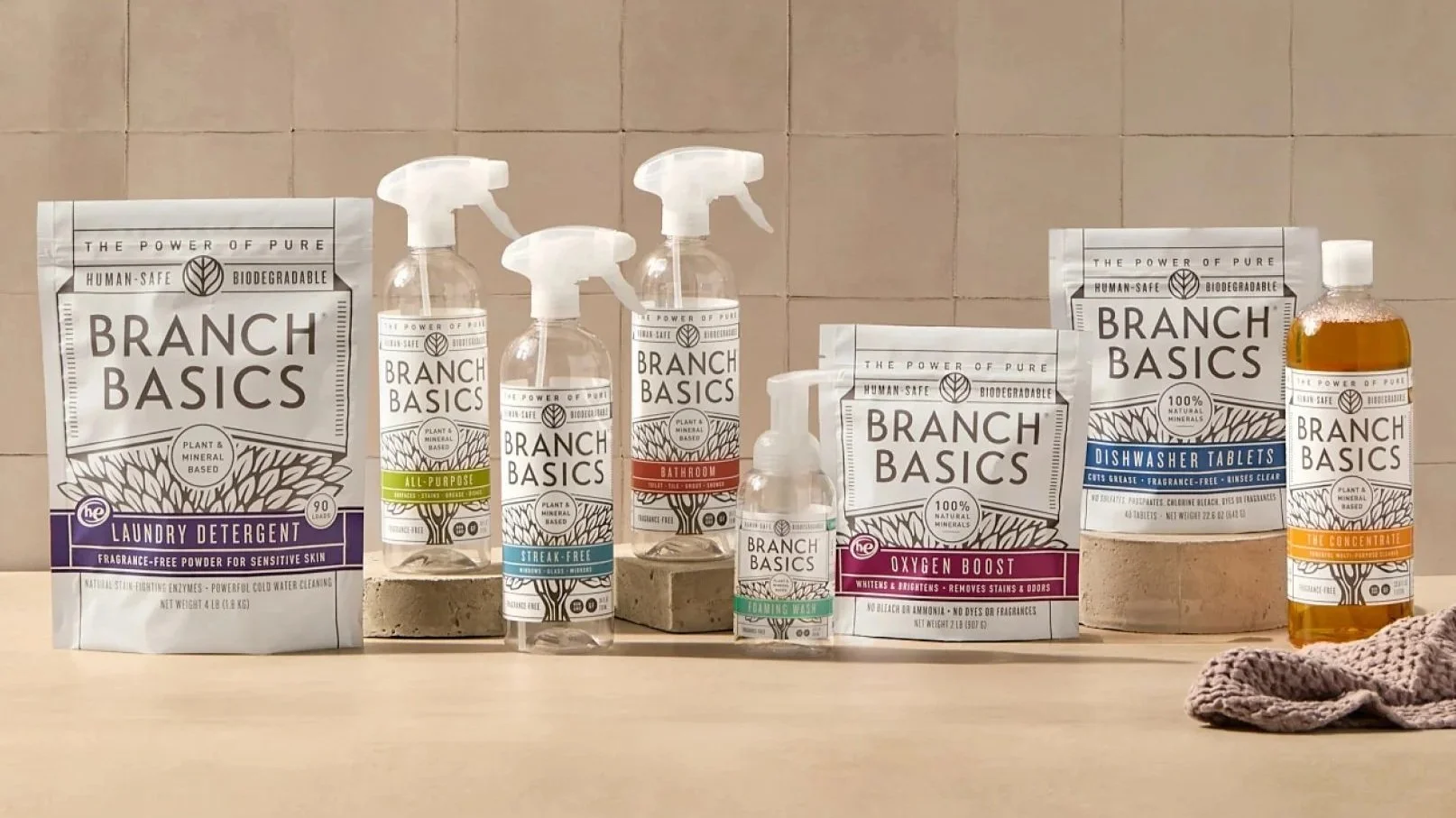
Branch Basics Laundry Concentrate
One concentrate replaces every cleaner in your home including laundry. Completely fragrance-free, genuinely non-toxic, and a consumable you'll re-purchase. This is the most impactful swap on this entire list — and it makes every other bedding investment work harder. Start with the starter kit if you want a lower entry point — same product, same results.
Where to Start If You're Overwhelmed
You do not need to do this all at once. Here's the order I'd approach it in:
Wash your existing bedding with Branch Basics — today, immediately
Swap your pillowcases — Company Store organic cotton, completely accessible
Add a HEPA air purifier — the biggest impact on what you're actually breathing overnight
Add a plant — free if propagated from a friend, $10–20 from a nursery
Save for the Naturepedic mattress topper, then the full Avocado mattress, then the furniture over time
Progress over perfection. Every swap lowers your toxic burden. That's what this is all about.
What Certifications Actually Mean
When shopping for a non-toxic bedroom, these labels are your shortcut:
GOTS (Global Organic Textile Standard): the gold standard for organic textiles. Covers the entire supply chain from fiber to finished product. If your bedding has this, you're good.
GOLS (Global Organic Latex Standard): the certification to look for on natural latex mattresses and toppers. Confirms the latex is genuinely natural, not synthetic or blended.
GREENGUARD Gold: certifies low chemical emissions. Look for this on mattresses and furniture.
FSC (Forest Stewardship Council): ensures wood is from responsibly managed forests.
OEKO-TEX Standard 100: tests finished textiles for harmful substances. A strong secondary certification alongside GOTS.
Creating a non-toxic home is a journey, not an overnight overhaul.
My whole philosophy is that approachable, doable non-toxic living is the most powerful kind. A set of organic pillowcases and a Branch Basics refill are real progress. The bigger pieces — the mattress, the furniture, the air purifier — come with time and intention. Every single swap you make is meaningful.
For a more holistic approach that goes beyond the bedroom, my Non-Toxic Clothing Guide breaks down safer fabrics, certifications, and easy wardrobe swaps — because what you wear all day introduces the same hidden toxins as what you sleep on. → Non-Toxic Clothing E-Book
And if you suspect mold in your home is affecting your health, check out my full guide to mold illness and neurological symptoms — mold in the bedroom is one of the most overlooked root causes of poor sleep and brain fog. → Mold Illness and Neurological Symptoms Blog Post
Thank you for being here. Cheers to living an approachable, non-toxic life. 🌿
FAQ
Why does the bedroom matter most when it comes to non-toxic living?
The bedroom is where your body repairs itself most deeply. We spend roughly a third of our lives sleeping, and while we sleep our bodies are in full detox and recovery mode — which means what's off-gassing into the air around you matters enormously. Out of every room in your home, the bedroom is where a non-toxic approach pays off the most for your actual health.
What are the most toxic things hiding in a conventional bedroom?
Conventional mattresses (flame retardants and polyurethane foam), MDF and particleboard furniture (formaldehyde), synthetic bedding and rugs, and synthetic fragrance in laundry products and fabric sprays. These five categories account for the vast majority of chemical exposure in a typical bedroom. You don't have to swap everything at once — but knowing what's hiding is the first step to changing it.
What is GOTS certification and why does it matter for bedding?
GOTS stands for Global Organic Textile Standard, and it's the only certification that matters for organic textiles. It means the fabric is made from certified organic fibers AND processed without harmful chemicals at every single stage of production — from the field through manufacturing to your bed. A product claiming "natural" or "organic" without GOTS certification is making promises it can't prove.
What's the difference between solid wood and MDF?
Solid wood is real wood — no fillers, no glues binding scraps together, no off-gassing. MDF (medium-density fiberboard) and particleboard are made from wood scraps bound with formaldehyde-based adhesives that continue to off-gas into your air for years after you bring them home. This is why every single furniture recommendation in this post — whether top pick or budget alternative — is solid wood only.
What if I can't afford to replace my mattress right now?
Start with the Naturepedic Organic Latex Mattress Topper. It's GOLS and GOTS certified, completely non-toxic, and creates a genuine protective barrier between you and your existing mattress. You get the benefits of a non-toxic sleep surface while you save for the full mattress upgrade — and it's a meaningful, measurable difference in what you're breathing overnight.
What is biophilic design and is it actually backed by science?
Yes — biophilic design (incorporating natural elements like plants, natural light, and organic textures into your space) measurably reduces stress, lowers cortisol, and improves sleep quality. This isn't trend speak; it's neuroscience. The research is solid, and the effect is real. Biophilic design is trendy AND actually good for your health.
Why does synthetic fragrance matter in the bedroom?
Synthetic fragrance is one of the most chemically complex and least regulated ingredients in consumer products — and it's doing active harm in your bedroom. In a closed bedroom where you're breathing deeply for 7–9 hours, fragrance residue from laundry products and fabric sprays accumulates directly into your toxic burden overnight. I avoid it entirely. Non-toxic to me means fragrance-free, always.
Where can I shop everything featured in this post?
Everything is linked directly above in the product sections. You may also access my full non-toxic shop here.
Creating a modern organic home isn’t just about natural textures and clean lines — it’s about reducing chemical exposure throughout your space. Along with furniture and finishes, clothing worn daily can also introduce hidden toxins through dyes and treatments. For a more holistic approach to non-toxic living, my Non-Toxic Clothing Guide breaks down safer fabrics, certifications, and easy swaps.
Thank you for being here, cheers to living an approachable non-toxic life!