
Mold Illness and Neurological Symptoms
This post contains affiliate links. I may earn a small commission at no extra cost to you.
Mold can wreak havoc on the body, causing a multitude of health symptoms — and neurological symptoms are among the most common and most devastating. Mold is a root cause behind so many dis-eases. It's all about peeling back the layers of the onion.
I know this firsthand. I went through mold illness myself and it affected my nervous system in ways I never could have anticipated. The brain fog, the anxiety, the electrical sensations — I thought I was losing my mind. I wasn't. I was dealing with mold.
This post covers what mold does to your brain and nervous system, how to identify it, how to remediate your home, and the exact products I use to protect myself and support my healing.
11 Neurological Symptoms of Mold Illness
If you're experiencing any of the following, mold could be a contributing root cause. This is not an exhaustive list — mold illness is complex and presents differently in everyone.
Brain fog
Fatigue
Memory loss
Dizziness
Migraines
Eye floaters
Sensitivity to light
Anxiety and depression
OCD
Tics and spasms
Electrical sensations
If several of these resonate, don't panic — but do take it seriously. Working with a mold-literate health professional to get a full health history and analysis is the most important first step. A targeted protocol designed around your specific situation is how you actually heal.
Why Does Mold Cause Neurological Symptoms?
Without getting too technical — mold produces a toxic off-gas called mycotoxins. These mycotoxins are VOCs (volatile organic compounds) that increase your overall toxic burden.
Here's why they're especially dangerous for the brain:
Mold mycotoxins are fat-soluble. That means they concentrate in fat tissue. Your brain is 60% fat — making it one of mold's favorite places to accumulate.
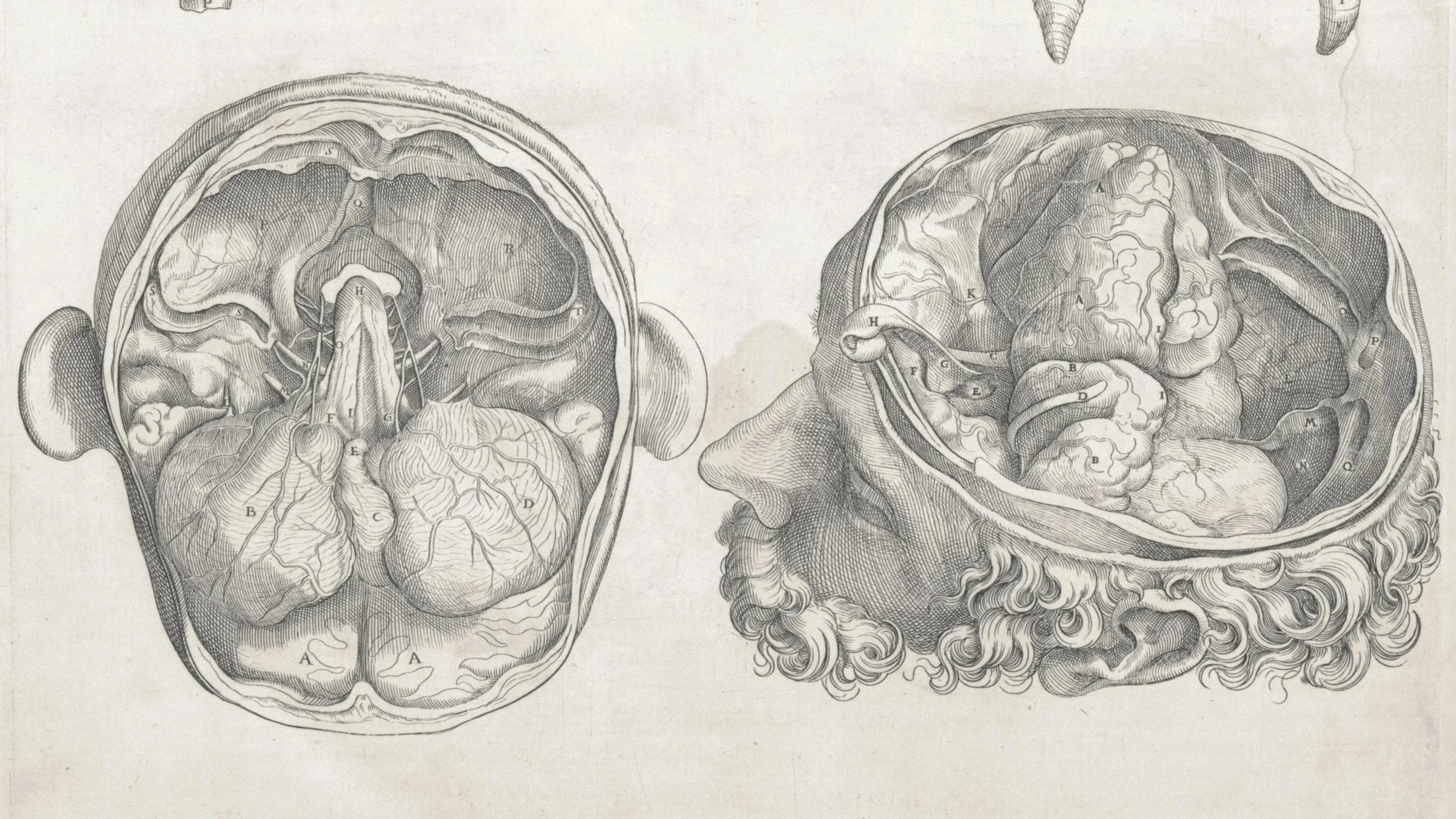
Mold can cross the blood-brain barrier. Once inside, mycotoxins can cause damage to the brain's function and structure — a process known as neurotoxicity. This is why cognitive symptoms like brain fog, memory issues, and mood changes are so common in mold illness.
About 25% of people can't detox mycotoxins automatically. This is due to a combination of genetics (specifically the HLA-DR gene) and lifestyle (having a full toxic bucket). If you're in this group, a targeted detox protocol is essential — mycotoxins won't leave your body on their own.
Part 1 — Prevention: Keep Mold Out of Your Home
The first line of defense is your environment. You cannot heal from mold illness while continuing to live in a moldy space.
AIRDOCTOR | AirDoctor 3500 Air Purifier ⭐ Start Here A medical-grade UltraHEPA air purifier that captures particles 100x smaller than standard HEPA filters — including mold spores. I consider a quality air purifier non-negotiable for anyone dealing with mold illness or living in a humid climate. The AirDoctor is the one I trust and recommend most.
AUSTIN AIR | HealthMate Plus Junior Air Purifier A second excellent option — Austin Air is one of the most trusted names in medical-grade air filtration. The HealthMate Plus includes a HEPA filter plus activated carbon for VOC removal, which is critical for mycotoxin exposure. Great for bedrooms.
ACURITE | Digital Humidity and Temperature Monitor Mold grows when indoor humidity exceeds 50%. This monitor gives you a real-time reading of your home's humidity so you can catch dangerous levels before mold takes hold. One of the most affordable and impactful purchases on this list — under $20.
HONEYWELL | Home Indoor Water Leak Detector Most mold problems start with an undetected water leak. This detector alerts you the moment moisture is detected under sinks, behind appliances, and near water heaters — the most common mold growth sites. Prevention is always easier than remediation.
DYSON | Gen5 Detect Absolute HEPA Vacuum Vacuuming with a standard vacuum actually spreads mold spores — you need a true HEPA-sealed vacuum that captures rather than redistributes them. The Dyson Gen5 is the gold standard. Run it on carpets, upholstery, and any area that may have been affected.
Part 2 — A Word on Remediation
I want to be really clear here: if you have a significant mold problem in your home, professional remediation is essential — and who you hire matters enormously.
The goal of proper mold remediation is to remove mold, not kill it. This is one of the most important and most misunderstood distinctions in the industry. Many conventional remediators spray biocides or bleach that kill mold on the surface but leave the dead spores behind — and dead mold spores are still toxic. Proper remediation physically removes the mold-affected material from your home entirely.
I've learned a great deal from experts like Andy Pace of Green Design Center, who has spent decades educating homeowners and professionals on what truly safe, effective remediation looks like. If you're dealing with a serious mold situation, do your research, ask hard questions, and find a remediator who understands the difference between killing and removing.
That said — these products have a place for everyday maintenance, small surface situations, and keeping your environment clean between professional interventions:
BENEFECT | Botanical Disinfectant Wipes A hospital-grade botanical disinfectant made from thyme oil — zero harsh chemicals, zero synthetic fragrance. I use these on hard surfaces throughout my home for regular maintenance cleaning, wiping down surfaces after travel, and any small surface situations that don't require professional intervention.
EC3 | Mold Solution Concentrate EC3 is specifically formulated to neutralize mold spores and mycotoxins. I use it on fabric items and clothing — spraying luggage after travel, treating soft surfaces, and running it through laundry when I've been in a potentially moldy environment. It's not a replacement for professional remediation but it's a powerful tool for reducing your everyday mold load.
BRANCH BASICS | Ultimate Starter Kit Conventional cleaning products are loaded with VOCs and synthetic fragrance that add to your toxic burden — the last thing you need when you're trying to heal from mold illness. Branch Basics replaces every cleaner in your home with one completely non-toxic concentrate. Lowering your chemical load across the board is part of the healing process.
A note on diffusing: Diffusing thyme essential oil or a propolis-based diffuser blend is something I find helpful for keeping the air in my home cleaner on an ongoing basis. Both thyme and propolis have well-documented antimicrobial properties. This isn't a replacement for air filtration or professional remediation — but as a daily practice it's a simple, low-cost addition to your mold-conscious home routine.
Part 3 — Mold-Proof Your Bathroom
The bathroom is the #1 room for mold growth in most homes. These products eliminate the standing moisture that mold needs to survive.
DORAI HOME | Dual Bath Stone Mat ⭐ Heidi's Fave Traditional bath mats are mold factories — they stay wet for hours and harbor bacteria and mold underneath. Dorai's stone mat is made from diatomaceous earth and dries completely in minutes. No mold. No mildew. No smell. This is the single easiest bathroom swap you can make.
DORAI HOME | Dish Pad Slate Same diatomaceous earth technology for your kitchen sink — eliminates the standing water and mold risk of traditional drying mats.
DORAI HOME | Stone Sink Caddy Keeps your sink area dry and mold-free. A simple swap that makes a real difference in bathroom moisture levels.
Shower Squeegee — Shop Here The single cheapest and most effective mold prevention tool. Wipe down your shower walls after every use to remove standing water — this alone can dramatically reduce mold growth in your shower. A 30-second habit that makes a significant difference.
Part 4 — Filter Your Water
Mold illness increases your body's toxic burden, and unfiltered tap water adds to it with chlorine, heavy metals, and other chemicals. Filtering your water is one of the most important steps in lowering your overall load.
CLEARLY FILTERED | Water Pitcher + Filter 3-Pack Clearly Filtered removes 365+ contaminants including chlorine, heavy metals, fluoride, and pharmaceuticals — far more than standard Brita or PUR filters. This is the water pitcher I recommend for anyone on a healing protocol.
Part 5 — Support Your Nervous System & Healing
Mold toxicity causes real, measurable damage to the nervous system. Mitochondrial dysfunction, neuroinflammation, and oxidative stress are all common in mold illness. These are the products I use to support recovery.
AMY MYERS MD | Charcoal Binder Complete ⭐ Start Here for Detox Binders are the cornerstone of mold detox. They work by binding to mycotoxins in the gut and carrying them out of the body before they can be reabsorbed. Activated charcoal is one of the most well-studied binders for mycotoxin elimination. Always work with a practitioner when starting a binder protocol.
BON CHARGE | Mini Red Light Therapy Device Red light therapy supports mitochondrial function, reduces neuroinflammation, and promotes nervous system repair — all directly relevant to mold illness recovery. Mold mycotoxins damage mitochondria, and red light is one of the most well-researched tools for mitochondrial support. Use it on your head and neck for neurological support, or on any area of inflammation.
JUST INGREDIENTS | Lemon Lime Electrolytes Mold illness and the detox process are deeply dehydrating. Clean electrolytes without artificial colors, flavors, or sweeteners support hydration, adrenal function, and energy — all commonly depleted in mold illness. Just Ingredients is one of the cleanest electrolyte formulas available.
CLEARLY FILTERED | Water Pitcher Pure, filtered water is essential during any detox protocol. See above.
Part 6 — Non-Toxic Home (For Pets Too)
DORAI HOME | Dog Bowls + Stone Base Your pets are affected by mold too — and their water bowls are a common mold growth site. Dorai's stone base keeps the bowl area dry and mold-free. A small swap that protects your whole household.
Heidi's Mold-Free Home Checklist — In Order of Priority
Test your humidity — AcuRite Monitor — keep below 50%
Detect leaks early — Honeywell Leak Detector
Filter your air — AirDoctor 3500 ⭐
HEPA vacuum regularly — Dyson Gen5
Clean with botanicals — Benefect Wipes + EC3 Concentrate
Replace toxic cleaners — Branch Basics
Mold-proof your bathroom — Dorai Bath Mat + Squeegee
Filter your water — Clearly Filtered
Support detox — Charcoal Binder
Support nervous system — BON CHARGE Red Light
Replenish minerals — Just Ingredients Electrolytes
There Is Hope
Yes, this is scary — but it doesn't have to be. By learning this information and taking steps to lower your toxic burden and detox from mold, there is real, lasting hope. I made it through the trenches of mold illness and have been thriving since addressing it. You can too.
For those dealing with mold illness, reducing chemical exposure from everyday products is a critical part of a low-toxic lifestyle. Every non-toxic swap you make helps lower your body's overall toxic burden and supports healing.
FAQ
How do I know if I have mold illness? Mold illness is notoriously underdiagnosed because its symptoms overlap with many other conditions. The most reliable path is working with a mold-literate practitioner who can run specific tests including mycotoxin urine testing, HLA-DR genetic testing, and visual contrast sensitivity (VCS) testing.
What is the HLA-DR gene and why does it matter for mold? The HLA-DR gene affects your immune system's ability to tag and remove biotoxins like mycotoxins. About 25% of people carry a variant that makes it very difficult to clear mycotoxins without targeted intervention — meaning exposure that others recover from can cause chronic illness in this group.
Can mold cause anxiety and depression? Yes — this is one of the most common and most underrecognized aspects of mold illness. Mycotoxins can cross the blood-brain barrier and directly disrupt neurotransmitter production and function, leading to anxiety, depression, OCD, and mood instability.
How long does it take to recover from mold illness? Recovery varies significantly depending on how long you were exposed, your genetic susceptibility, and how aggressively you address both your environment and your body. Some people feel significantly better within months; others take 1–2 years. The most important thing is removing the source of exposure first and working with a qualified health practicioner.
Is red light therapy really helpful for mold illness? Research on red light therapy shows significant benefits for mitochondrial function and neuroinflammation — both directly implicated in mold illness. It's not a cure, but as part of a comprehensive protocol it can meaningfully support nervous system repair and energy recovery.